title: "Women at Sea: Careers, Safety, Dignity, and Equal Opportunity"
excerpt: "A practical guide to women’s maritime careers, inclusive workplaces, properly fitted equipment, and support when conduct crosses the line."
meta_description: "Explore women’s careers at sea, equal opportunity, safe workplaces, proper PPE, mentorship and confidential harassment support."
focus_keyword: "women seafarers Malaysia"
tags: [women in maritime, careers, equality, safety, harassment prevention]
—
# Women at Sea: Careers, Safety, Dignity, and Equal Opportunity
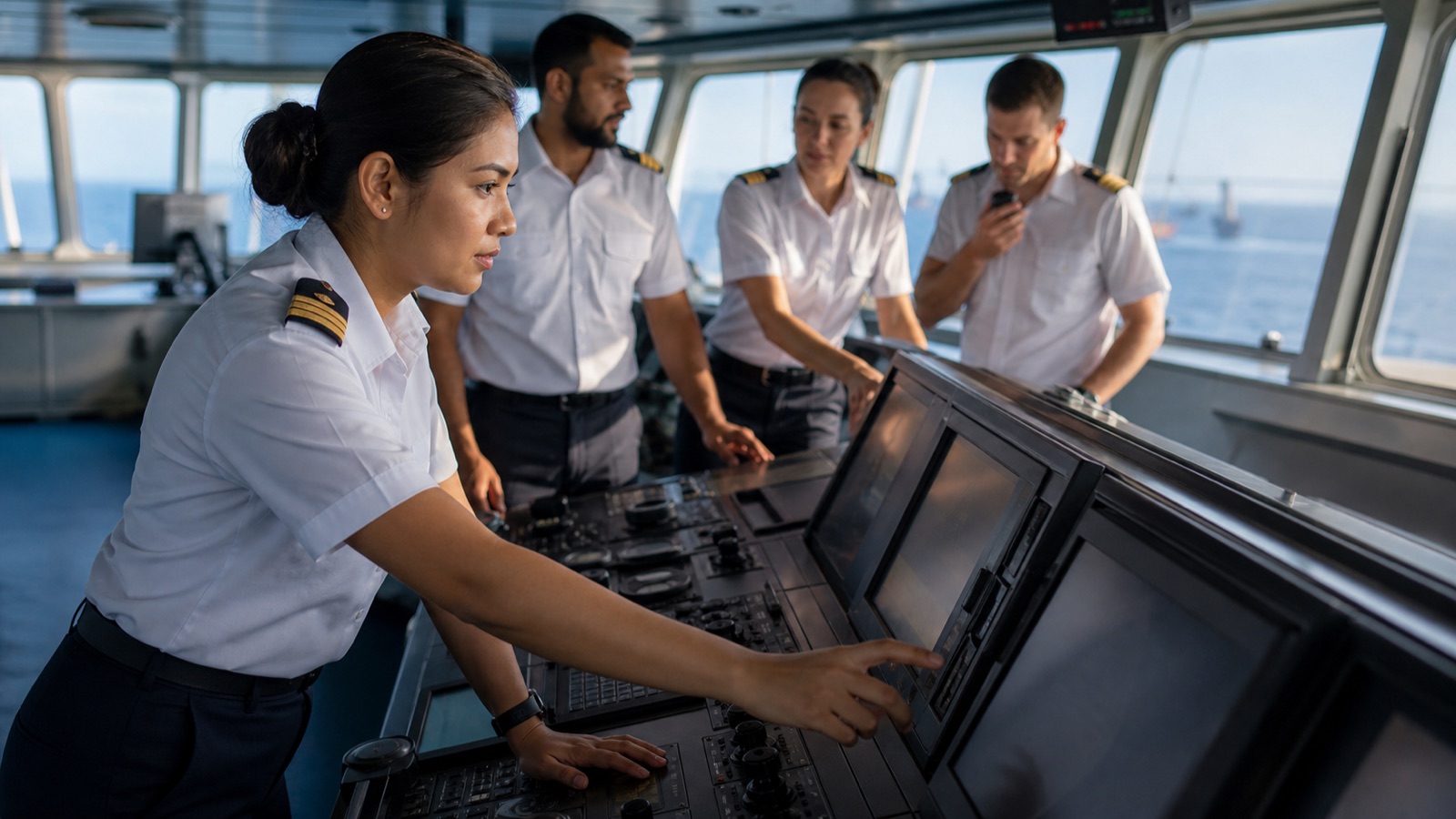
Women work across deck, engine, electrical, hospitality, medical, and shore-based maritime roles. Yet women remain under-represented in much of the sector. The IMO and WISTA Women in Maritime Survey documents participation and continuing gaps. Better representation requires more than recruitment photographs: it requires fair opportunity, safe living and working conditions, properly fitted equipment, credible reporting pathways, and career progression.
A maritime career should be judged on competence
Training, certification, sea service, and professional performance should guide opportunity. Employers and training institutions should use transparent criteria for selection, assignments, assessment, and promotion. Women should not have to prove that all women belong at sea every time one person makes a mistake.
Cadets can ask prospective institutions and employers:
- Are women placed for sea time on equal terms?
- Are accommodation and sanitation appropriate and secure?
- Is PPE available in suitable sizes and designs?
- Are mentors and confidential welfare contacts available?
- How are complaints investigated and retaliation prevented?
- What evidence shows women progress beyond entry-level roles?
Equipment and facilities affect safety
Oversized gloves, coveralls, harnesses, footwear, or respiratory equipment can create hazards. PPE should fit the wearer and be appropriate to the task. This is not a cosmetic preference.
Privacy, sanitation, lighting, locks, and access to menstrual health supplies also affect dignity and wellbeing. Problems should be addressed as workplace design and welfare issues, not personal inconvenience.
Harassment is not “part of life at sea”
Bullying, sexual harassment, assault, discrimination, and violence can be intensified onboard because the workplace is also the home and the person responsible may remain nearby. ISWAN advises that everyone deserves to feel safe and offers confidential, multilingual support.
If conduct makes you feel unsafe:
- Prioritise immediate safety.
- Record facts where safe: dates, words/actions, witnesses, and reports made.
- Use the company or onboard procedure when appropriate.
- Contact a union or confidential welfare service if the response is absent or unsafe.
- In immediate danger, use emergency and medical procedures.
The survivor controls whether and how to describe their experience, except where immediate safety duties require escalation. Colleagues should listen, avoid gossip, and not pressure someone to confront the alleged perpetrator.
Men and leaders are part of the solution
Inclusive workplaces are not a “women’s issue.” Leaders set standards by assigning work fairly, stopping degrading comments, providing suitable equipment, responding consistently to complaints, and assessing people on competence. Male colleagues can challenge disrespect without speaking over women or expecting praise.
Mentorship and peer networks can help with professional development, but they do not replace accountable systems.
Build a visible career pathway
Women entering maritime work benefit from clear information on approved training, certificates, sea-time requirements, and progression. Employers should publish criteria and track retention and promotion without exposing personal data. Stories should show women doing real work across ranks, not only ceremonial appearances.
For NUSPM, meaningful support can include confidential advice, contract and rights education, properly signposted welfare resources, and space for women members to shape priorities.
Authoritative references
- IMO/WISTA: Women in Maritime Survey 2024
- ISWAN: Abuse, bullying, harassment, discrimination and violence
- ITF Seafarers
Image guidance
OFFICIAL REFERENCES
Verify at the source
- View official guidance ↗wwwcdn.imo.org
- View official guidance ↗www.iswan.org.uk
- View official guidance ↗www.itfseafarers.org
This guide provides general educational information. Requirements and remedies depend on the vessel, flag, contract, collective agreement and circumstances. Seek qualified help for your case.